

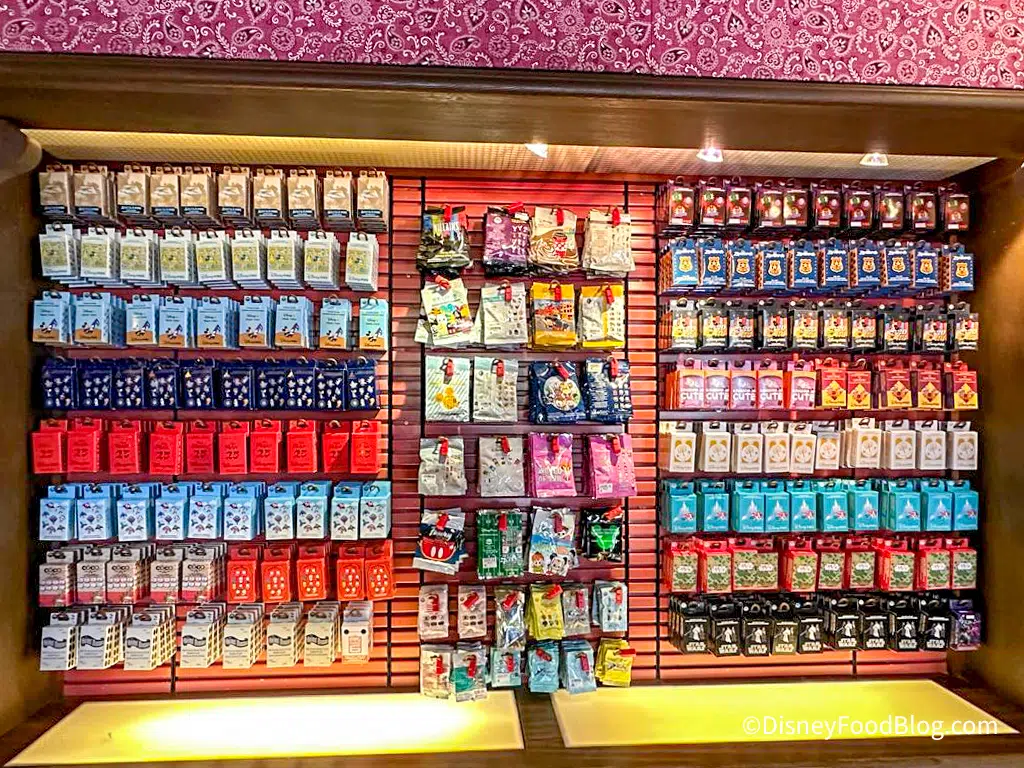
Disney pin collecting has always had a passionate following, but in recent years the monthly pin drops have transformed from a fun tradition into a full‑scale competitive event. The first pin release of 2026 made that clearer than ever. Crowds surged at both Disneyland Resort and Walt Disney World, overwhelming normal merchandise operations and prompting Disneyland to roll out a new wristband distribution system to keep things under control.
Below is a clear look at why Disneyland implemented this system, how it works, and what it means for collectors moving forward.
Why Disneyland Needed a Wristband System
The January 2026 pin drop brought unprecedented crowds. What used to be a casual hobby has evolved into a high‑stakes collecting scene, with limited‑edition pins often reselling for significant profit. This has led to:
- Massive early‑morning lines forming hours before release
- Line cutting and disputes among guests competing for limited stock
- Operational strain on merchandise locations not designed for this level of demand
Disneyland’s wristband system—typically reserved for major attraction openings or special events—was deployed as a crowd‑control measure to restore order and fairness.
How the Wristband System Works
While Disney has not released a formal, permanent policy document, the system used during the January 2026 drop followed a familiar structure seen in past high‑demand events:
Guests line up at designated locations where Cast Members hand out wristbands on a first‑come, first‑served basis. This prevents chaotic crowd surges at store entrances. One Wristband Per Guest is issued to discourage resellers from monopolizing inventory. Each guest receives a single wristband, which corresponds to their eligibility to purchase that day’s limited‑edition pins. Wristbands include a return time or group number. Guests come back during their assigned window, reducing congestion and allowing stores to manage inventory more predictably.
No Wristband, No Purchase
Only guests with wristbands are allowed to buy the limited‑edition pins, ensuring fairness and preventing last‑minute line cutting. This system mirrors the approach Disneyland has used for high‑demand merchandise releases in the past, but its use for monthly pin drops signals a shift in how Disney views the scale of these events.
What This Means for Pin Collectors
The wristband system is likely to become a recurring tool for Disneyland, especially as pin collecting continues to grow in popularity. Collectors can expect:
- More predictable release days with less chaos
- Reduced risk of line cutting or disputes
- A more equitable chance to purchase limited‑edition pins
- Potential expansion of the system if demand continues to rise
Meanwhile, Walt Disney World experienced similarly overwhelming crowds during the same release, though it did not use wristbands at the time. This suggests the issue is widespread and may prompt broader operational changes across Disney parks.
Why This Matters
Disney’s decision to implement wristbands reflects a larger trend: merchandise drops—whether pins, popcorn buckets, or limited‑edition collectibles—now draw crowds comparable to attraction openings. As collector culture intensifies, Disney is adapting its crowd‑management strategies to maintain guest safety, fairness, and operational efficiency.
The January 2026 pin drop was a turning point. What began as a chaotic morning ended with a clear message: the pin‑collecting community is bigger and more intense than ever, and Disneyland is taking steps to keep the experience enjoyable for everyone.